wslmrcr170's pick · Updated August 2026
CEBORY 3-in-1 Electric Stand Mixer
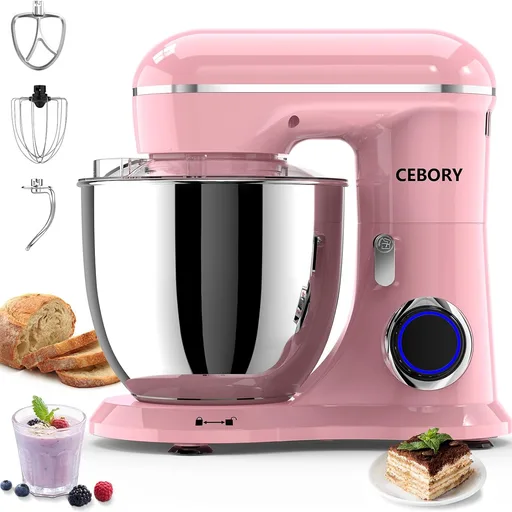
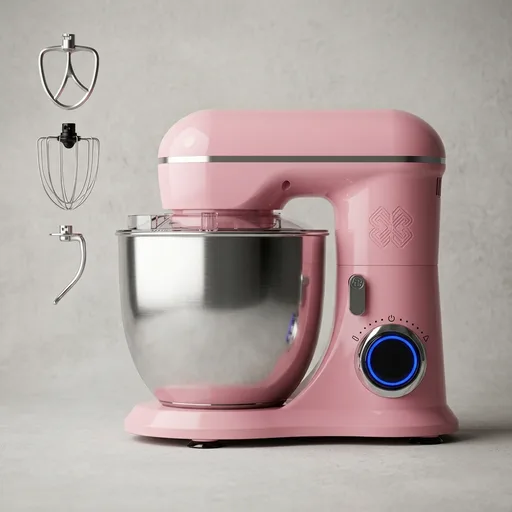
A 6.5-quart stand mixer with a 660-watt motor may suit home bakers who want a machine sized for regular batches without moving up to a heavy, pro-style countertop mixer. The CEBORY model gives you the basic toolset most people expect in this category, including a dough hook, beater, and whisk, so it can cover bread dough, cake batter, whipped mixtures, and other common kitchen jobs. The pink finish also makes it a more visible countertop item than the usual stainless or black options, which may matter if you prefer an appliance that feels a little less plain in the kitchen.
The main reason to consider a mixer like this is capacity paired with speed control. A 6.5-quart bowl gives more room than compact mixers, which can be helpful if you bake in larger quantities or mix heavier doughs that need space to move. Ten speed settings also give more control than a simple low-high setup, so the mixer may be easier to match to different tasks, from slow combining to faster whipping. For a household that makes dough, frosting, or batter often enough to want a dedicated mixer, that kind of range is usually the deciding point.
One thing to verify before buying is how the bowl, head lift or tilt mechanism, and attachment clearance work in practice. Those are the details that determine whether a stand mixer feels convenient or awkward on the counter, especially when you are switching between dough and lighter mixtures. It is also worth checking the usable bowl size rather than only the listed capacity, since a large stated bowl does not always mean every recipe mixes cleanly without scraping or stopping to adjust. Noise level, stability on the counter, and whether replacement attachments are easy to find are also sensible points to compare.
The evidence here is limited to the product listing itself, so the safest recommendation is based on category fit rather than claimed performance. The listed specs point to a mixer intended for general home baking, not occasional novelty use, and that makes it most relevant for people who bake bread, cakes, cookies, or desserts often enough to want a dedicated stand mixer in the kitchen. Buyers who only mix a few simple batters a few times a year may not need this much capacity or motor strength, while someone who regularly handles thicker doughs will probably care more about bowl size and motor power than about anything decorative.
In the end, this looks like a reasonable fit for home cooks who want a full-size mixer with the usual attachments and enough speed options to handle a mix of baking tasks. The important checks are practical ones: how much real space it takes on the counter, whether the bowl size matches the recipes you make, and whether the control layout feels easy to live with. If those boxes line up, it seems like the sort of mixer that could make sense for an active home baker without pushing into a more specialized setup.
Amazon product links on this guide are not currently affiliate links. Neither wslmrcr170 nor Buyer Field Guide earns an affiliate commission from them.
See current price